

Quick Contact
Few dental procedures carry as much undeserved anxiety as the root canal. The reputation is largely outdated. Modern root canal treatment is designed to relieve pain, not cause it, and most patients are surprised by how manageable the procedure actually is. If you have a tooth that is severely infected, cracked deep into the root, or causing persistent pain, a root canal may be the treatment that saves it from extraction.
At Lumin8 Dentistry in Lakewood, WA, Dr. Jun Carrington and our team perform root canal therapy with precision and care, combining advanced technology with a genuinely patient-centered approach. As part of our restorative dentistry services, root canal treatment allows us to save teeth that would otherwise be lost. We accept most major PPO insurance plans, TRICARE (including Delta TRICARE and United Concordia), and Medicare, and Cherry financing at 0% interest for 24 months is available — so cost does not have to stand between you and keeping your tooth. The CDC’s 2024 Oral Health Surveillance Report reinforces that preserving natural teeth wherever possible leads to better long-term oral health outcomes — and root canals are one of the primary tools that make that possible.
What Is a Root Canal?
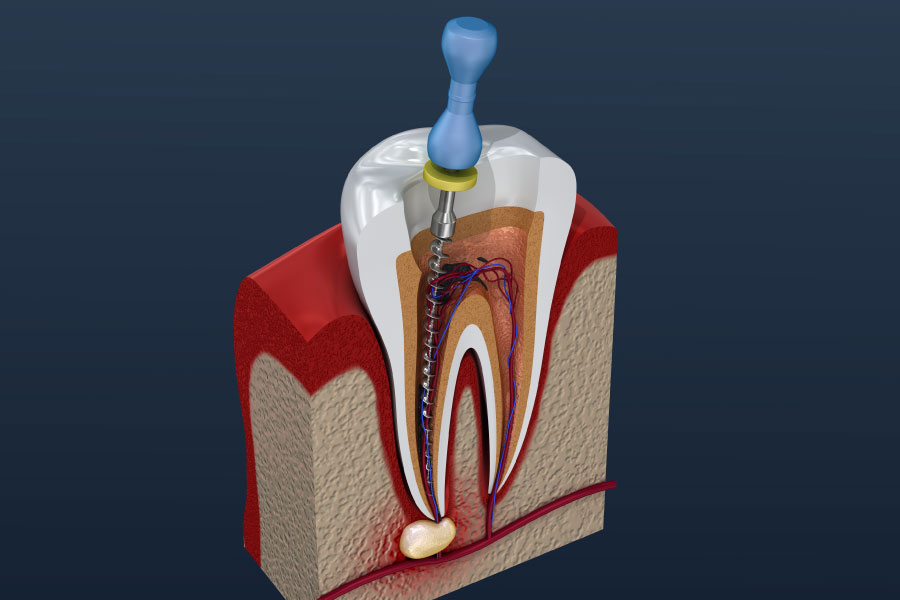
Every tooth contains a pulp chamber filled with nerves, blood vessels, and connective tissue. When bacteria penetrate deep enough to reach the pulp, through a deep cavity, a crack, or repeated dental work on the same tooth, an infection develops. Left untreated, that infection can spread to surrounding bone, cause an abscess, and ultimately result in tooth loss.
Root canal treatment removes the infected pulp, thoroughly cleans and shapes the root canals, and seals the space to prevent reinfection. The tooth is then restored, typically with a porcelain crown, so it looks and functions normally. Once the infection is gone and the tooth is restored, the outcome for properly treated teeth is excellent.
Signs You May Need a Root Canal
Not every infected tooth causes dramatic symptoms. Some patients are surprised to learn they need a root canal during a routine visit when imaging reveals an infection that produced few warning signs. Others experience clear signals that something is wrong.
Common indicators include a persistent toothache that worsens when biting or applying pressure, prolonged sensitivity to heat or cold that lingers well after the stimulus is removed, a visible pimple-like bump on the gum near the affected tooth, darkening or discoloration of the tooth, or swelling and tenderness in the nearby gum tissue. If you are experiencing any of these, contact us promptly. Addressing an infection early is always simpler than treating one that has been allowed to spread.
The Root Canal Process at Lumin8 Dentistry
Root canal treatment at our Lakewood office typically requires one to two appointments, depending on the complexity of the case.
We begin by thoroughly numbing the area with local anesthesia. Patients who experience anxiety about treatment can discuss sedation dentistry options with Dr. Carrington to ensure a comfortable experience from start to finish.
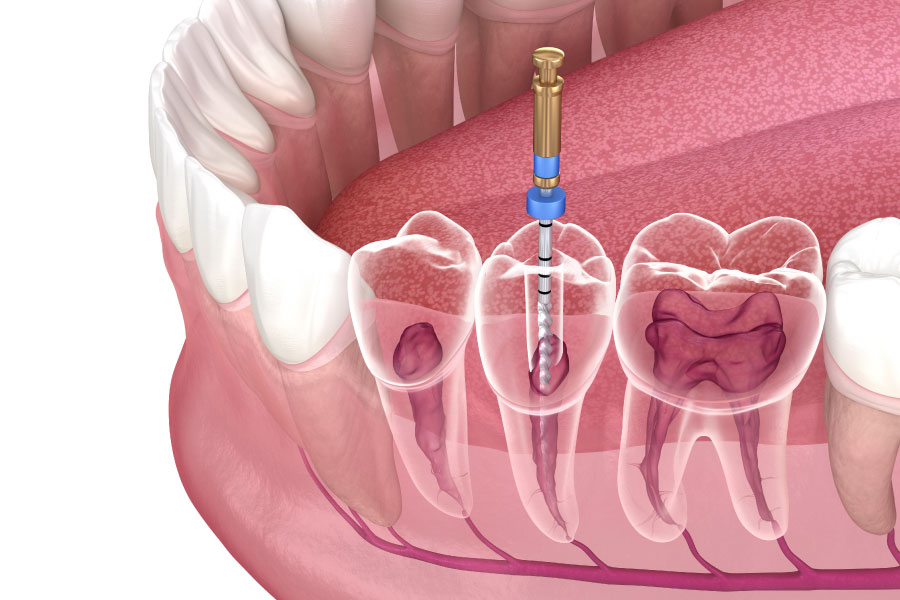
Once the area is numb, Dr. Carrington creates a small opening in the crown of the tooth to access the pulp chamber. The infected tissue is carefully removed, and each root canal is cleaned, shaped, and disinfected with precision. The canals are then filled with a biocompatible material called gutta-percha and sealed.
At a follow-up appointment, a permanent restoration is placed. In most cases, a porcelain crown is recommended to protect the treated tooth, which becomes more brittle once the pulp is removed. With proper care, a tooth that has undergone root canal treatment can function normally for many years.
Saving Your Tooth Matters
Preserving a natural tooth is always preferable to replacing it. When a tooth is lost, the surrounding teeth shift, biting forces become uneven, and the jawbone begins to shrink in the area of the gap. Dental implants are the best replacement option, but they require time, additional procedures, and greater expense. A successful root canal keeps your natural tooth in place, maintains the health of the surrounding bone and teeth, and avoids all of that. We accept TRICARE, most major PPO plans, and offer Cherry financing at 0% interest for 24 months to make saving your tooth as financially accessible as possible.
Schedule Your Appointment at Lumin8 Dentistry
If you are experiencing tooth pain or have been told you may need a root canal, do not put it off. The sooner an infection is treated, the simpler the solution tends to be. Dr. Carrington and our team will evaluate your situation honestly, explain your options clearly, and make sure you are comfortable every step of the way. Contact us today to schedule at our Lakewood, WA office, or request an appointment online at any time. Same-day appointments are available for patients experiencing acute tooth pain.
FAQs About Root Canals
Does a root canal hurt?
Modern root canal treatment at Lumin8 Dentistry is far more comfortable than most patients expect. Dr. Jun Carrington uses effective local anesthesia to completely numb the treatment area before beginning the procedure, and sedation dentistry options are available for patients with dental anxiety. Most patients compare the experience to getting a routine filling. After the procedure, mild soreness is normal and typically resolves within a few days with over-the-counter pain relievers.How much does a root canal cost in Lakewood, WA?
The cost of root canal treatment depends on which tooth is being treated and the complexity of the root canal system. Front teeth with a single root tend to be less expensive than molars with multiple roots. A dental crown is usually recommended after root canal therapy to protect the treated tooth, which is an additional cost. At Lumin8 Dentistry, we accept many dental insurance plans and offer financing through Cherry to help manage your investment. Contact our office for a personalized estimate.How do I know if I need a root canal?
Common signs that you may need root canal treatment include severe or persistent toothache, prolonged sensitivity to hot or cold that lingers after the source is removed, darkening or discoloration of a tooth, swollen or tender gums near the affected tooth, and a recurring pimple-like bump on the gums. If you are experiencing any of these symptoms, contact Lumin8 Dentistry in Lakewood, WA, right away. Dr. Carrington uses digital X-rays to diagnose pulp infections accurately, and our office offers emergency appointments for patients in severe pain.How long does a root canal take?
A root canal procedure at Lumin8 Dentistry typically takes between 60 and 90 minutes for a single appointment, though some complex cases may require a second visit. Front teeth with one root canal are generally faster to treat than molars with multiple canals. Dr. Carrington uses advanced technology and specialized instruments to work efficiently while ensuring thorough cleaning and sealing of the tooth’s inner passageways. You can plan to return to your normal activities the same day in most cases.Is it better to get a root canal or have the tooth pulled?
Saving your natural tooth with root canal treatment is almost always the preferred option when possible. Your natural tooth maintains proper chewing function, protects surrounding teeth from shifting, and preserves your jawbone density. Extracting a tooth requires replacement with an implant, bridge, or partial denture to prevent the complications that come with missing teeth. Root canal treatment at Lumin8 Dentistry has a high success rate and allows you to keep your natural tooth functioning for many years with a protective crown.What happens after a root canal procedure?
After your root canal at Lumin8 Dentistry, you can expect the numbness from anesthesia to wear off within a few hours. Mild tenderness around the treated tooth is normal and typically lasts two to three days. Avoid chewing on the treated side until your permanent crown is placed, and take any prescribed or recommended medications as directed. Dr. Carrington will schedule a follow-up visit to place a porcelain crown over the tooth, which restores its full strength, function, and natural appearance.Affiliations & Education