

Quick Contact
A damaged tooth that is left untreated rarely improves on its own. A crack that starts small grows. A tooth weakened by decay or a large filling becomes susceptible to fracture under normal biting forces. When a tooth has been compromised to the point that a filling is no longer sufficient, a porcelain crown restores its full strength, protects it from further damage, and brings back its natural appearance.
At Lumin8 Dentistry in Lakewood, WA, Dr. Jun Carrington places custom porcelain crowns that fit precisely, look completely natural, and are designed to last. As a core part of our restorative dentistry services, crowns are one of the most versatile treatments we offer, addressing everything from severe decay to cracked teeth to worn-down enamel.
What Are Zirconia Crowns?
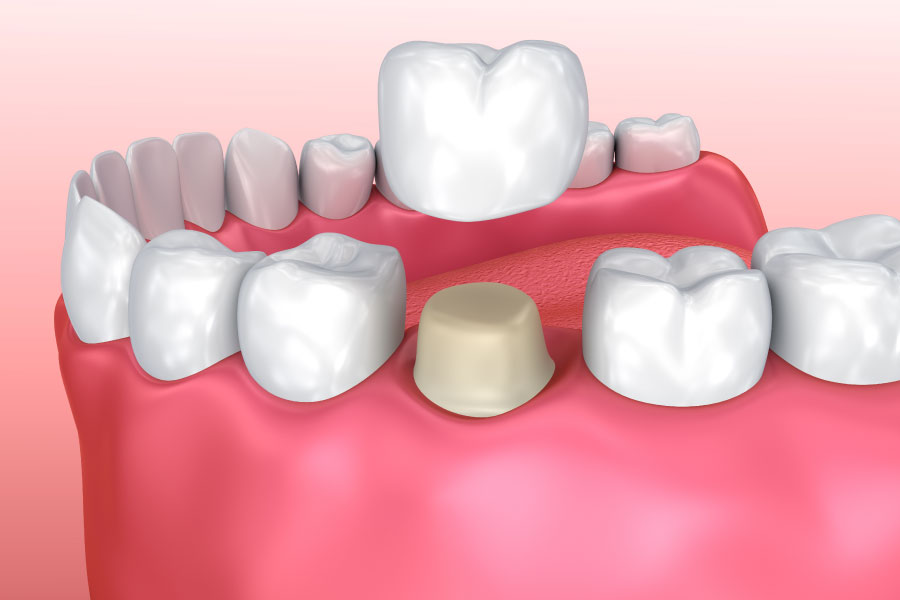
Zirconia crowns are tooth-shaped caps placed over injured or weakened teeth to restore their size, shape, strength, and appearance. Made from high-quality materials, these restorations mimic the translucency and color of tooth enamel better than most alternatives. The material creates a restoration that blends invisibly with surrounding teeth. These crowns serve multiple purposes, including the following:- They protect teeth that have undergone root canal treatment
- Hold together cracked teeth
- Restore severely worn teeth
- Anchor dental bridges
The Crown Placement Process
A zirconia crown usually requires two appointments. During the first visit, the dentist reshapes the injured tooth to create space for the crown. This preparation involves removing a small amount of tooth structure from all sides and the biting surface. After reshaping, the dentist takes detailed impressions of your teeth using digital scanning or traditional impression materials. These digital impressions are sent to a dental lab, where skilled technicians craft your custom crown. The process takes about two weeks, during which you’ll wear a temporary crown to protect the prepared tooth. At the second appointment, the dentist removes the temporary crown, checks the fit and color of your permanent restoration, and cements it permanently in place. Some dental offices now offer same-day crowns using CAD/CAM technology. This advanced system designs and mills crowns in-office, allowing you to receive your permanent restoration in a single visit.Materials and Durability
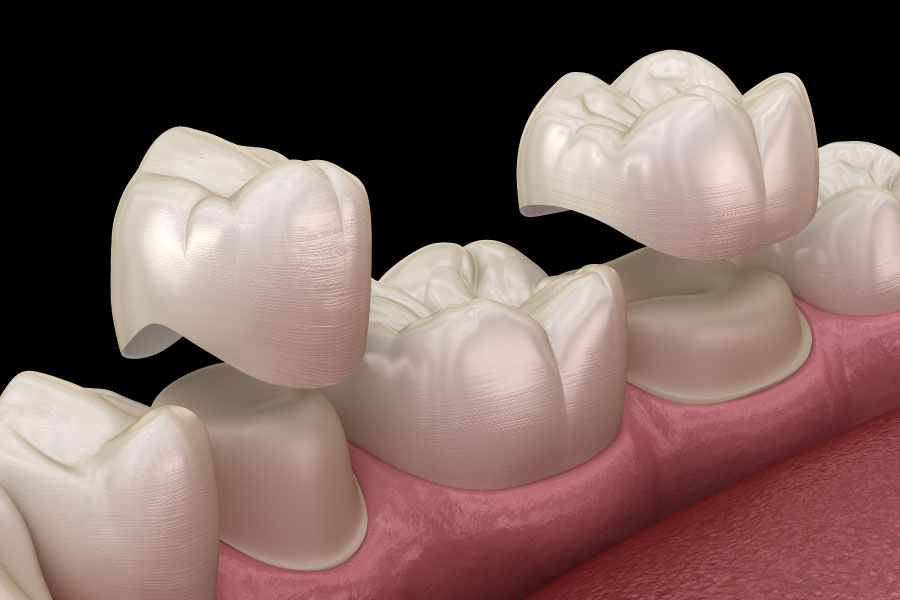
Modern zirconia crowns are one of dentistry’s most significant technological advances. This advanced ceramic material combines exceptional strength with natural aesthetics, making zirconia an ideal choice for virtually any tooth restoration. Unlike traditional materials, zirconia maintains its structural integrity while mimicking the translucent quality of natural enamel. Zirconia’s crystalline structure provides remarkable durability for back teeth enduring significant chewing forces. The material resists fracturing and wears better than many alternatives, making it suitable for molars and premolars. Front teeth benefit equally from zirconia’s ability to blend seamlessly with surrounding teeth while maintaining the strength needed for daily function. With proper care, zirconia crowns typically last 10 to 15 years, with many functioning well beyond that. Studies show that approximately 95% of dental crowns remain intact after five years when patients maintain good oral hygiene. Avoiding habits like teeth grinding, chewing ice, or opening packages with your teeth helps prevent damage and extends the life of your restoration.Benefits of Choosing Zirconia for Your Crown
When a Crown Is Recommended
Dr. Carrington recommends a crown when a tooth’s structure has been compromised beyond what a filling or cosmetic bonding can repair. Common situations include a large cavity that has destroyed too much tooth structure, a cracked or fractured tooth that is at risk of splitting, a tooth that has completed root canal treatment and needs protection, or a tooth that is severely worn due to grinding or acid erosion.
Crowns are also the final step in dental implant restoration, placed on top of the abutment to create the visible tooth. And as part of a dental bridge, crowns anchor the restoration on either side of a gap.
Caring for Your Zirconia Crown
Maintaining a zirconia crown requires the same attention you give natural teeth. Brush twice daily with fluoride toothpaste and floss once daily, paying special attention to the area where the crown meets the gum line. This junction can accumulate plaque and bacteria if not cleaned properly. Avoid biting extremely hard foods directly with crowned teeth. While zirconia crowns are strong, excessive force can cause cracks or chips. If you grind your teeth at night, wearing a nightguard protects both your crowns and natural teeth from damage. Regular dental checkups allow your dentist to monitor the crown’s condition and the health of the underlying tooth. Professional cleanings remove deposits that home care might miss. If you notice any looseness, discomfort, or changes in how the crown feels when biting, schedule an appointment promptly.Experience Exceptional Care at Lumin8 Dentistry
Lumin8 Dentistry brings advanced restorative solutions to the Lakewood community, focusing on quality and patient comfort. Dr. Jun Carrington and the team combine technical skill with state-of-the-art technology to deliver zirconia crowns that restore both function and aesthetics. The practice serves patients throughout the greater Lakewood area, including those from nearby communities seeking comprehensive dental care. Whether you need a crown to protect a weakened tooth, restore a broken one, or complete other restorative work, our team provides personalized treatment in a welcoming environment. Contact us to schedule a consultation and learn how zirconia crowns may benefit your smile.FAQs About Porcelain Crowns
How much does a dental crown cost in Lakewood, WA?
The cost of a dental crown depends on the material used and the complexity of your case. Zirconia crowns, which offer superior strength and natural aesthetics, may be priced differently from traditional porcelain options. Many dental insurance plans cover a portion of crown costs when the procedure is deemed medically necessary. At Lumin8 Dentistry, we also offer financing through Cherry and can provide a detailed estimate during your consultation.Are same-day dental crowns available in Lakewood?
Some dental offices offer same-day crowns using CAD/CAM technology, which designs and mills your crown in a single appointment. At Lumin8 Dentistry, Dr. Jun Carrington uses advanced digital scanning technology to create precise impressions of your teeth, ensuring an accurate and comfortable fit. Whether your crown is completed in one visit or two depends on your specific case and the type of restoration needed. We will walk you through the timeline during your initial consultation so you know exactly what to expect.How long do porcelain crowns last?
Zirconia and porcelain crowns typically last 10 to 15 years, with many lasting significantly longer when properly maintained. Avoiding habits like teeth grinding, chewing ice, or using your teeth to open packages helps protect your crown. Regular checkups and cleanings at our Lakewood office allow Dr. Carrington to monitor your crown and catch any issues early.Does getting a dental crown hurt?
The dental crown procedure at Lumin8 Dentistry is performed under local anesthesia, so you should not feel pain during the tooth preparation or crown placement. Some patients experience mild sensitivity or discomfort after the anesthesia wears off, but this typically resolves within a few days and is manageable with over-the-counter pain relievers. If you have dental anxiety, Dr. Carrington offers sedation dentistry options to help you feel relaxed and comfortable throughout the appointment.What is the difference between a porcelain crown and a zirconia crown?
Traditional porcelain crowns are made from ceramic material that closely mimics the translucency of natural tooth enamel, making them an excellent choice for front teeth. Zirconia crowns are crafted from a stronger crystalline ceramic that resists fracturing and handles heavy chewing forces better, making them ideal for back teeth. At Lumin8 Dentistry, Dr. Carrington often recommends zirconia crowns because they combine exceptional durability with a natural appearance that blends seamlessly into your smile.Will my dental crown look like a real tooth?
Yes, modern zirconia crowns at Lumin8 Dentistry are designed to match the color, shape, and translucency of your surrounding natural teeth. Dr. Carrington takes detailed digital impressions and carefully selects the shade to ensure your crown blends invisibly into your smile. The advanced materials used in today’s crowns replicate the light-reflecting properties of natural enamel, so most people will not be able to tell the difference between your crown and your other teeth.Affiliations & Education