

Missing teeth can affect far more than just your smile. They can impact your confidence, your ability to eat comfortably, and even the structure of your jawbone over time. If you’ve been told you’re not a candidate for dental implants due to insufficient bone density, you might feel discouraged about your options for tooth replacement. The good news is that bone grafting can often make dental implant placement possible, even for patients who initially don’t qualify.
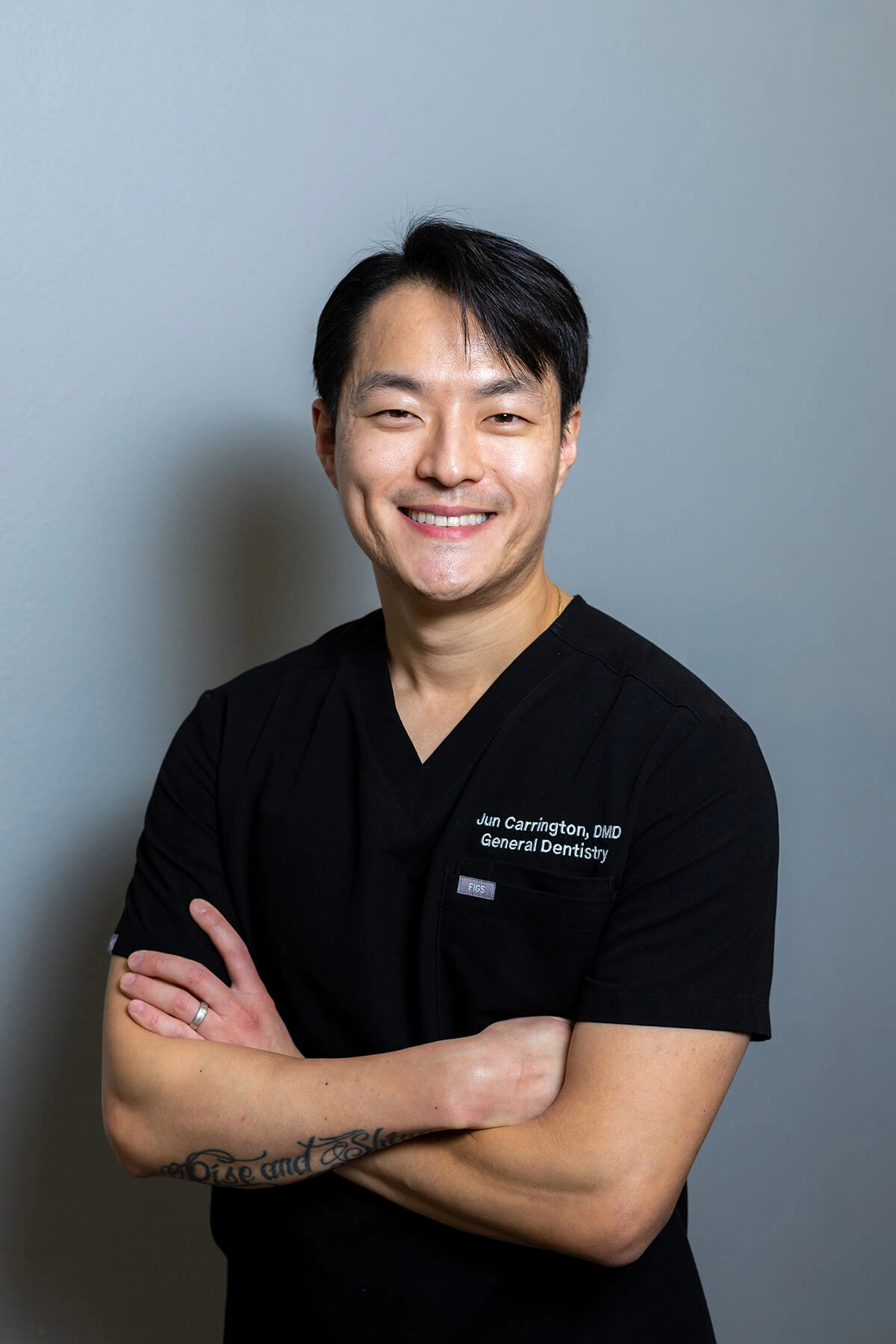
At Lumin8 Dentistry, Dr. Jun Carrington and our team have helped many patients in Lakewood, WA, achieve successful implant outcomes through strategic bone grafting procedures. With advanced training through the Kois Center and a commitment to comprehensive treatment planning, we evaluate each patient’s unique situation to determine the best path forward. Whether you’ve experienced bone loss from periodontal disease, tooth extraction, or other factors, bone grafting may be the solution that allows you to move forward with dental implants.
Understanding Why Bone Density Matters for Implants
Dental implants function as artificial tooth roots that integrate directly with your jawbone. This process, called osseointegration, requires adequate bone volume and density to support the implant securely. When you lose a tooth, the jawbone in that area no longer receives the stimulation it needs from chewing and biting. As a result, the bone gradually begins to resorb, or break down, which can leave insufficient bone structure for implant placement.
According to the American Academy of Periodontology, bone loss can begin as soon as three to four months after tooth extraction, with the most significant changes occurring within the first year. Without intervention, this progressive bone loss can eventually affect facial structure and make future implant placement more challenging. This is precisely why bone grafting has become such an important part of modern restorative dentistry.
What Bone Grafting Involves
Bone grafting is a surgical procedure that adds volume and density to your jawbone in areas where it has deteriorated. During the procedure, we place bone graft material in the deficient area, which serves as a scaffold for your body’s natural bone to grow. Over several months, your jawbone integrates with the graft material, creating a solid foundation for implant placement.
The graft material can come from several sources, including your own bone, donor bone, synthetic materials, or animal-derived sources. We determine the most appropriate type based on your specific needs, the extent of bone loss, and your overall health profile. The healing period typically ranges from three to six months, during which the graft material fuses with your existing bone structure.
Who Benefits from Bone Grafting
Bone grafting can benefit patients facing various challenges with implant candidacy. If you’ve lived with missing teeth for an extended period, the bone loss in those areas may be substantial. Patients who have experienced gum disease often have compromised bone structure around the affected teeth. Additionally, trauma or infection can lead to bone deterioration that affects implant viability.
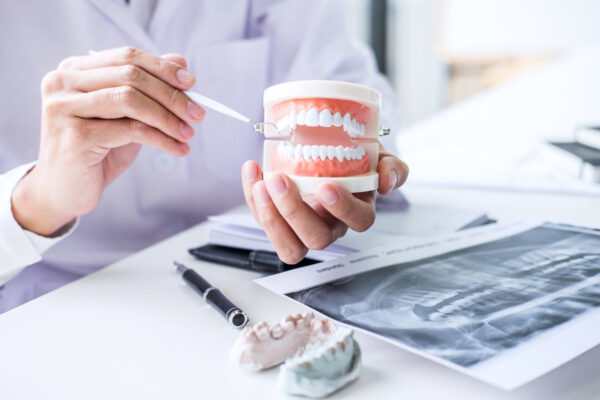
Even patients who had teeth extracted years ago may still be excellent candidates for implants with the help of bone grafting. We evaluate factors such as the quality and quantity of your existing bone, your overall health, and your commitment to the healing process. Through comprehensive imaging and examination, we can determine whether bone grafting will successfully prepare your jaw for dental implant placement.
The Timeline from Grafting to Implants
Understanding the timeline helps you plan appropriately for your treatment. After bone grafting, the healing and integration period typically lasts three to six months. During this time, you’ll have follow-up appointments to monitor the healing process and ensure the graft is integrating properly with your natural bone.
Once the grafted area has healed sufficiently, we can proceed with implant placement. The implant itself then requires an additional three to six months to integrate with the bone before we can attach the final restoration. While this extended timeline requires patience, the result is a stable, long-lasting tooth replacement that functions like a natural tooth. Many patients find that proper planning and bone grafting lead to better long-term outcomes than rushing into implant placement with insufficient bone support.
Explore Your Options at Lumin8 Dentistry in Lakewood, WA
At Lumin8 Dentistry, we take pride in offering comprehensive solutions for patients who want to restore their smiles with dental implants. Dr. Jun Carrington’s extensive training through the Kois Center includes advanced coursework in implant dentistry, biomechanics, and treatment planning, ensuring you receive care based on the latest evidence and techniques. We serve patients throughout Lakewood and surrounding areas including Federal Way, providing accessible, high-quality implant solutions.If you’ve been told you’re not a candidate for dental implants, or if you’re simply exploring your tooth replacement options, we encourage you to schedule a consultation with our team. We’ll evaluate your bone structure, discuss whether bone grafting could help you qualify for implants, and create a personalized treatment plan that aligns with your goals and timeline.