

Cosmetic Dentistry
Request An Appointment
What Are Night Guards and How Do They Help?
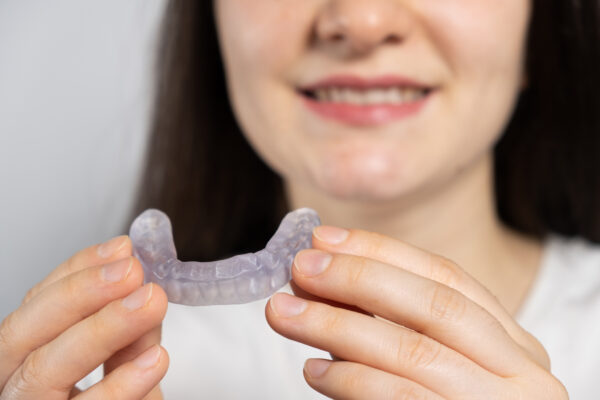
Night guards are protective oral appliances worn during sleep to prevent teeth grinding (bruxism) and jaw clenching. Unlike store-bought options, custom night guards from our Lakewood dental practice are precisely crafted to fit your mouth, providing superior comfort and protection. These devices work by creating a barrier between your upper and lower teeth that absorbs the forces of grinding and clenching. This protection helps prevent enamel wear, tooth fractures, and the development or worsening of TMJ disorders. According to a survey by the American Dental Association, more than 70% of dentists detected signs of teeth grinding and clenching in their patients. After starting a custom night guard routine, many patients notice reduced morning headaches and jaw soreness within the first few weeks of use.Custom vs. Over-the-Counter
Custom night guards differ significantly from over-the-counter options available at drugstores. While boil-and-bite guards may seem like an economical choice, they often fit poorly and provide inadequate protection. A poorly fitting guard can shift during sleep, fail to protect all your teeth, or even worsen jaw alignment issues. Custom guards made by Dr. Carrington are designed specifically for your bite pattern, ensuring even pressure distribution and maximum comfort throughout the night.Understanding TMJ Disorders and Bruxism
Temporomandibular joint disorders affect the joints connecting your jawbone to your skull. These joints act like sliding hinges, and when they become stressed or inflamed, you may experience pain, difficulty chewing, and limited jaw movement. Bruxism is one of the leading causes of TMJ problems, as the constant grinding motion puts excessive strain on these delicate joints. Stress and anxiety are common triggers for nighttime teeth grinding, though some people grind their teeth due to sleep disorders, misaligned teeth, or certain medications. Children may also grind their teeth as their jaw develops. Regardless of the cause, the outcome can be damaging if left untreated. Chronic bruxism can wear down tooth enamel to the point where the inner layers of your teeth become exposed, leading to sensitivity and increased risk of decay.Signs You May Need a Night Guard
Recognizing the symptoms of bruxism or TMJ issues early can help stop more serious dental problems from developing. Watch for these common warning signs:- Waking with jaw pain or stiffness
- Frequent morning headaches or migraines
- Worn, chipped, or flattened teeth
- Increased tooth sensitivity
- Popping or clicking noises when moving your mouth
- Neck or shoulder pain
- Earaches without infection
- Difficulty opening your mouth wide
- Lockjaw or limited jaw movement
The Custom Night Guard Process at Lumin8 Dentistry
Find Relief from Bruxism and TMJ at Lumin8 Dentistry in Lakewood, WA
Don’t let teeth grinding and jaw pain disrupt your sleep and daily life. At Lumin8 Dentistry, Dr. Jun Carrington combines years of advanced training from the Kois Center with state-of-the-art technology to provide comfortable, effective night guard solutions. Our team takes the time to understand your specific worries and create a treatment plan tailored to your needs. We serve patients throughout Lakewood and the surrounding Pierce County communities with compassionate, personalized care. Our practice works with most major dental insurance plans and offers flexible financing options through Cherry and CareCredit to make your care affordable. We believe everyone deserves a pain-free smile and restful sleep. Take the first step toward better sleep and a healthier smile by contacting us today to schedule your consultation. Dr. Carrington and our caring team look forward to helping you find relief from grinding and TMJ pain.Affiliations & Education